
Breathing as Medicine: Supporting the Vagus Nerve and Parasympathetic Healing
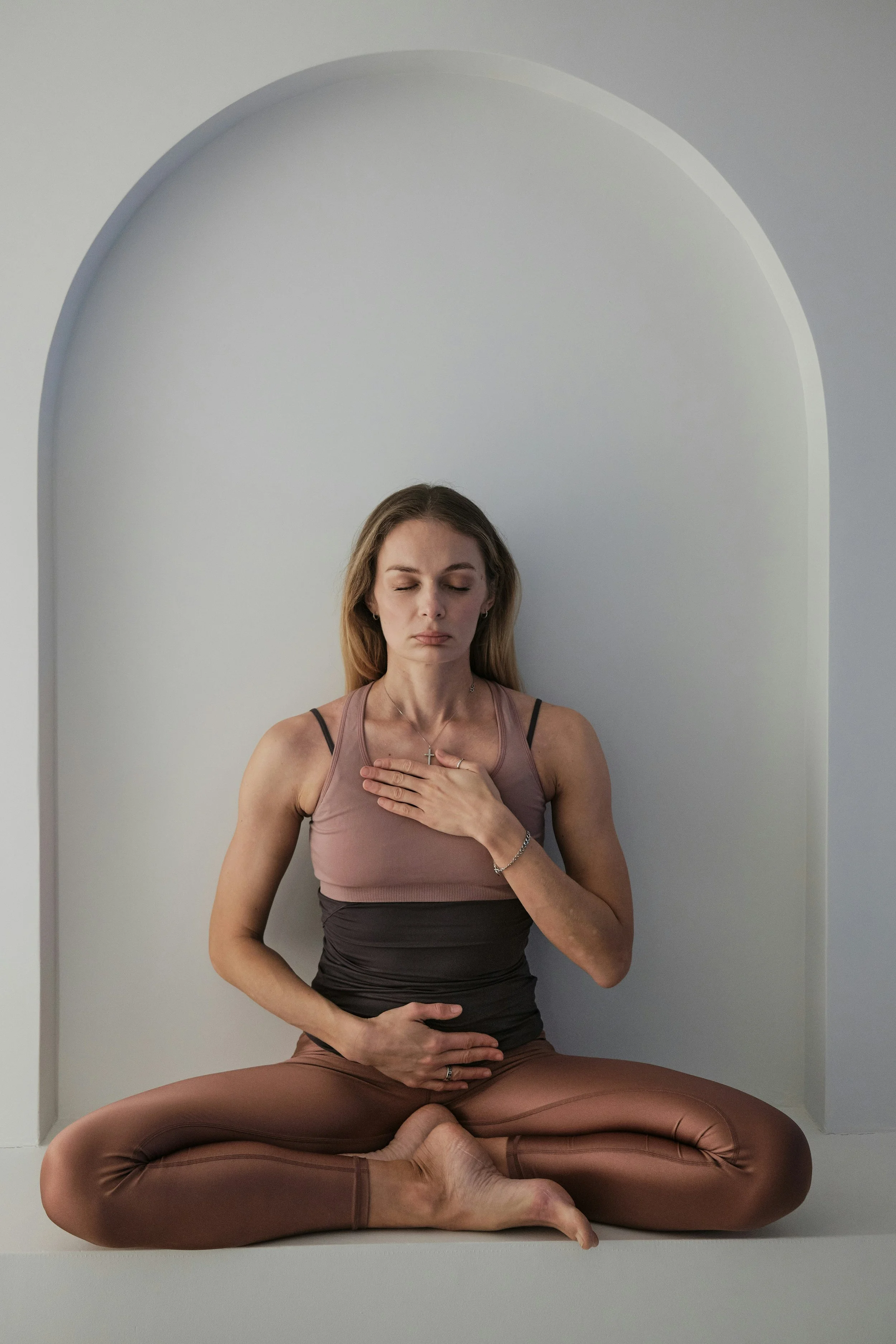
While diet, exercise, and lifestyle choices play a foundational role in reducing inflammation, one of the most direct and accessible ways to support vagus nerve function is something we do thousands of times each day: breathing.
Breathing is unique in that it is both automatic and voluntary. This means we can consciously influence the autonomic nervous system—particularly the parasympathetic “rest and digest” response—simply by changing how we breathe.
When breathing is slow, rhythmic, and diaphragmatic, it sends a powerful signal through the vagus nerve that the body is safe. This signal shifts the nervous system out of sympathetic fight-or-flight and into parasympathetic regulation, where healing, digestion, immune balance, and tissue repair occur.
How Breath Work Stimulates the Vagus Nerve
The vagus nerve plays a major role in regulating heart rate, inflammation, digestion, and emotional state. One of the most reliable indicators of healthy vagal tone is heart rate variability (HRV)—the natural variation in time between heartbeats. Higher HRV is associated with resilience, adaptability, and reduced inflammation.
Slow, controlled breathing—especially with longer exhalations—has been shown to:
Increase vagal tone
Improve heart rate variability
Reduce inflammatory markers
Lower cortisol and stress hormones
Improve digestion and gut motility
This happens because exhalation directly activates parasympathetic pathways via the vagus nerve, signaling the body to slow down and self-regulate.
The Inflammation Connection
Chronic stress keeps the nervous system locked in a sympathetic state, which promotes chronic inflammation. As discussed in The Great Nerve, inflammation is now understood to be a central driver of nearly all chronic disease.
Breath work supports the cholinergic anti-inflammatory pathway (CAP) by enhancing vagal signaling to immune cells. When the vagus nerve is functioning well, it actively suppresses excessive inflammatory responses—essentially applying the brakes to the immune system when needed.
In this way, breathing is not just calming—it is biologically anti-inflammatory.
A Simple At-Home Vagus Nerve Breathing Practice
You don’t need special equipment, apps, or long sessions to benefit. Consistency matters far more than intensity.
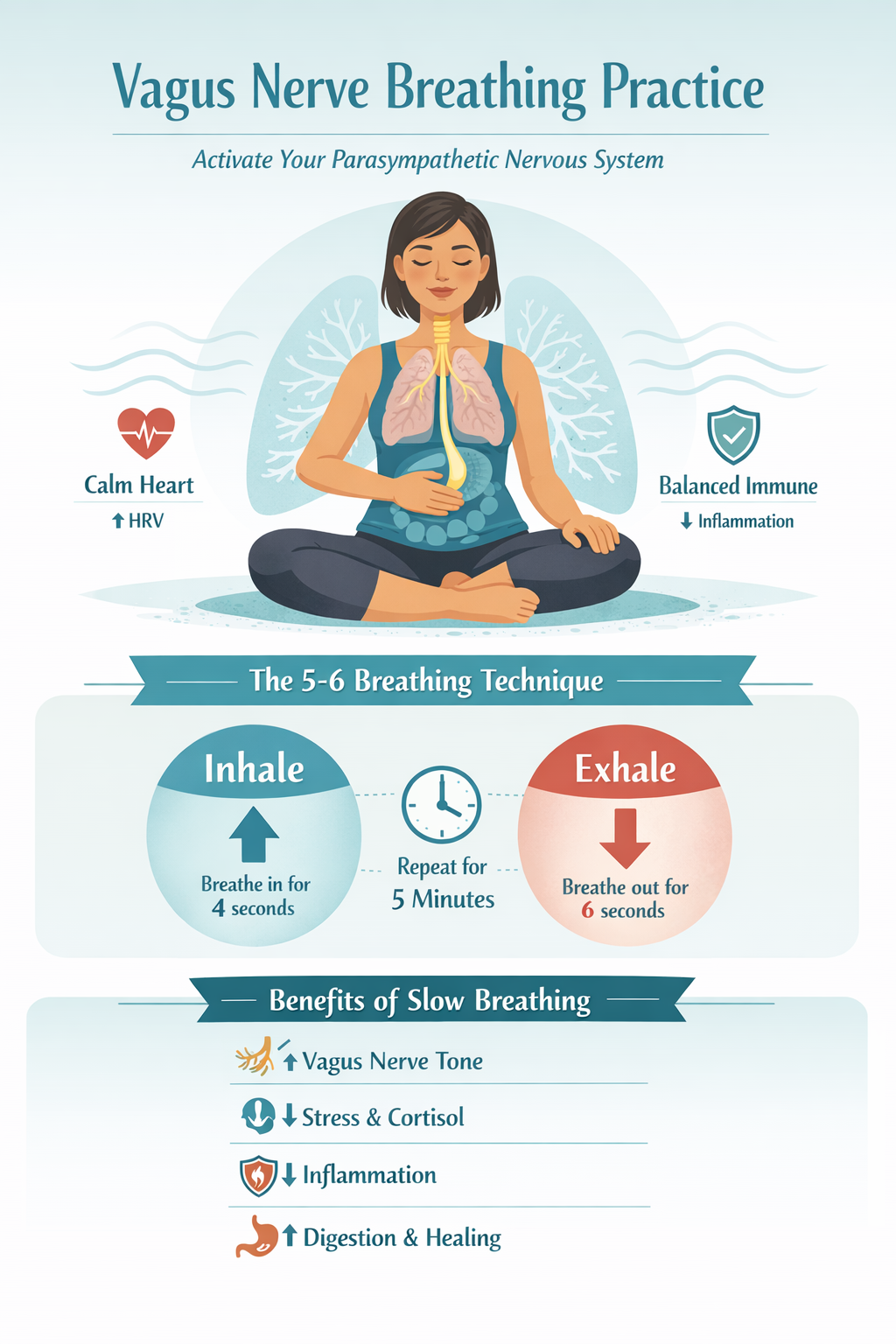
The 5–6 Breathing Practice (5 minutes)
When to use it:
First thing in the morning
Before meals
In the evening before sleep
Anytime you feel stressed or overwhelmed
How to do it:
Sit or lie down comfortably with one hand on your abdomen.
Inhale slowly through your nose for 4 seconds, allowing the belly to rise.
Exhale gently through the nose or mouth for 6 seconds, letting the belly soften.
Continue this rhythm for 5 minutes.
Why it works:
The longer exhale directly stimulates the vagus nerve, lowering heart rate and signaling safety to the nervous system.
Optional Enhancements
To further stimulate vagal pathways, you can combine breathing with:
Gentle humming during exhale (stimulates vagal branches in the throat)
Nasal breathing only
Practicing in a warm, relaxed environment
Pairing with light stretching or postural release
Even short, consistent sessions can create meaningful changes in nervous system regulation over time.

Breath Work as a Foundation for Healing
Breath work is not a replacement for proper nutrition, movement, or clinical care—but it is one of the most powerful foundational practices for restoring autonomic balance.
When the parasympathetic nervous system is supported, the body is better able to:
Regulate inflammation
Digest and absorb nutrients
Repair tissues
Stabilize mood and cognition
In many ways, learning how to breathe well is learning how to heal well.