
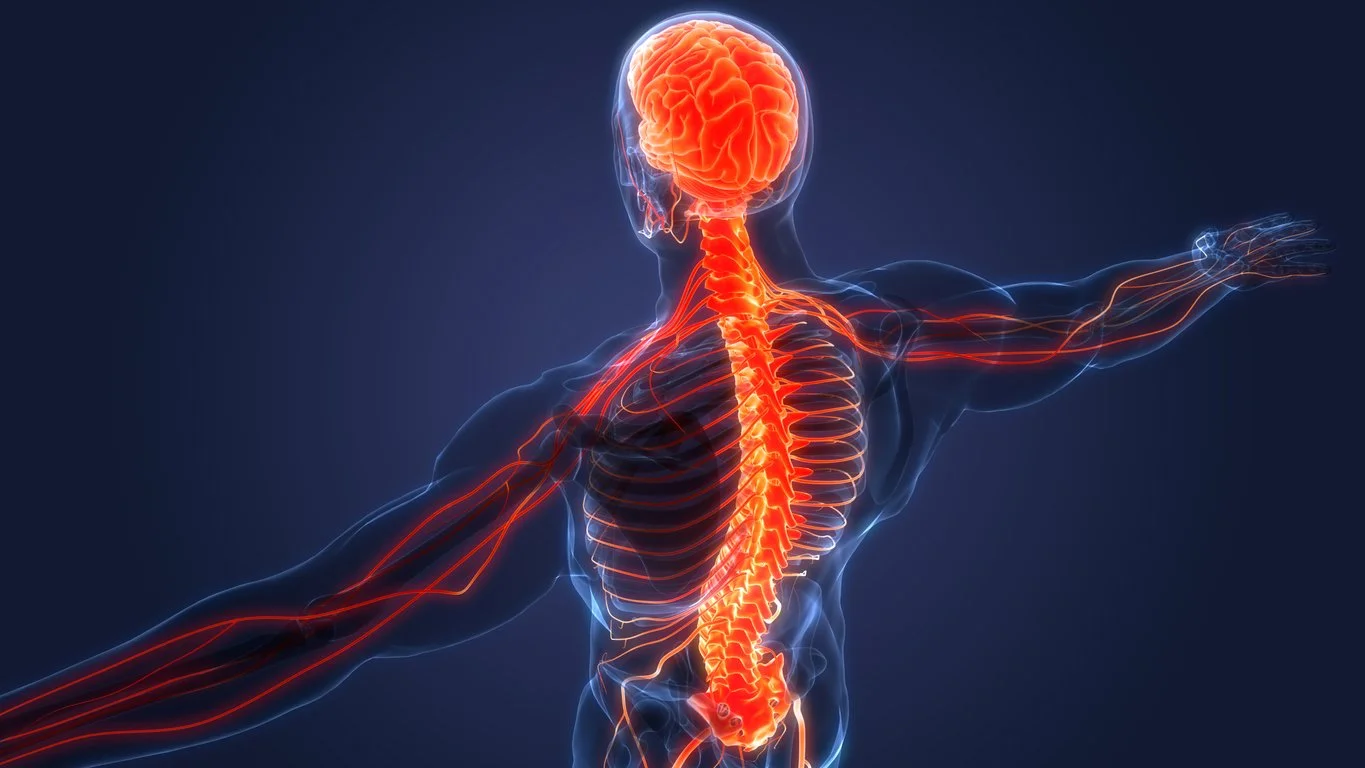
Most of us have heard of the Vagus nerve, but few appreciate the profound influence it has on our health. Also known as the “rest and digest nerve”, it is the longest nerve in the body. Originating in the medulla oblongata (the lower brainstem), it splits into the right and left vagus nerve and travels down the front of the neck on either side. The vagus nerve (Cranial Nerve X) is extensive, innervating organs from the neck down to the abdomen, controlling involuntary functions like heart rate, digestion, and breathing, and supplying muscles in the pharynx, larynx (speech), and palate. It carries sensory info from the ear canal, throat, lungs, and GI tract, while motor signals control swallowing, gag reflex, heart rate, and gut motility, making it vital for the gut-brain axis and internal balance.
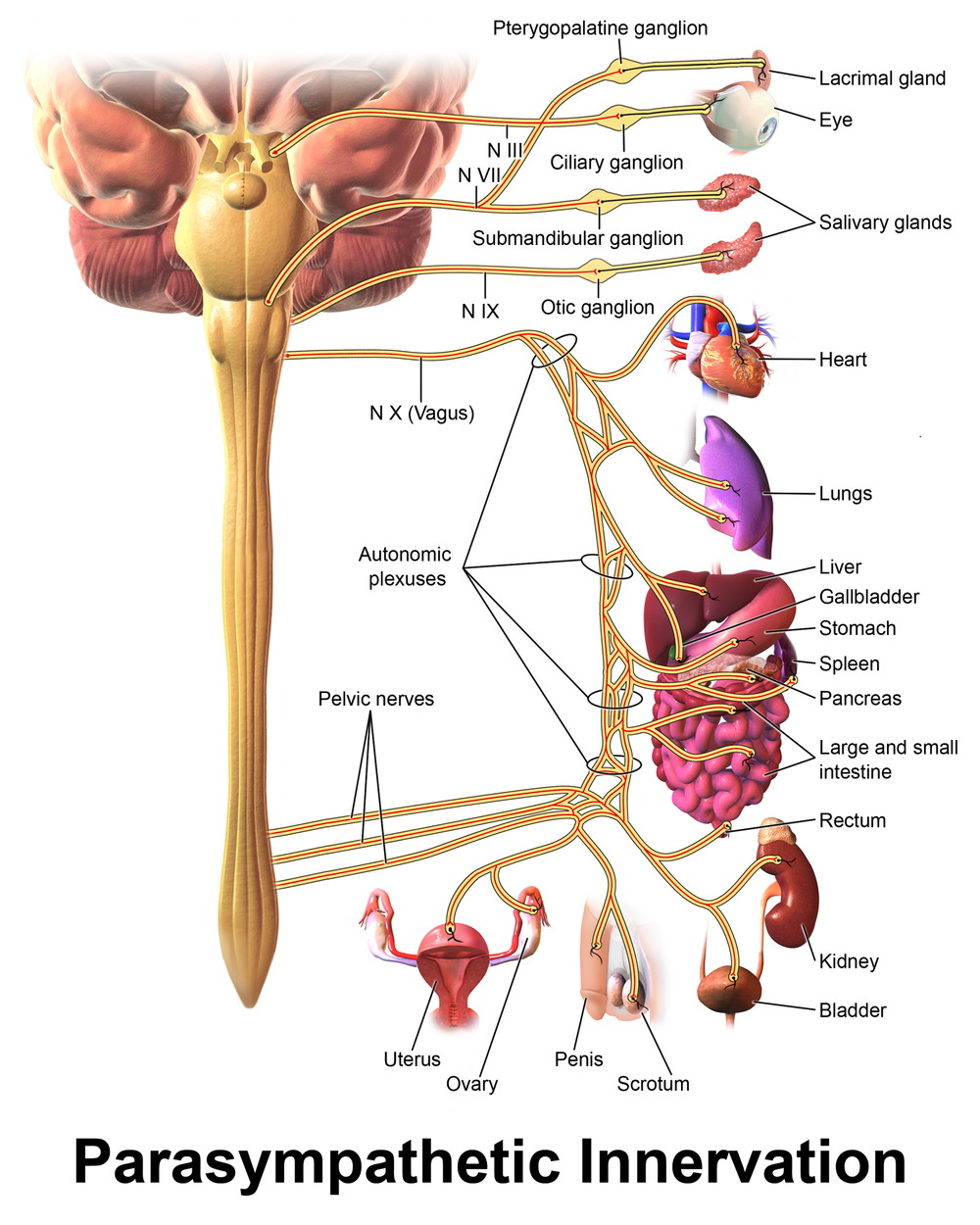
The vagus is part of our parasympathetic nervous system. The parasympathetic system is part of our autonomic nervous system which controls involuntary bodily functions like heart rate, digestion, and breathing, operating unconsciously to maintain internal balance (homeostasis). It's divided into the sympathetic (fight-or-flight) system, which speeds things up for emergencies, and the parasympathetic (rest-and-digest) system, which slows them down for recovery, with the enteric system managing the gut.
The gut-brain axis (GBA) is a bidirectional communication network linking the central nervous system (brain) and the enteric nervous system (gut), involving neural, endocrine, immune, and microbial pathways, explaining why stress affects your stomach and gut health impacts mood, with key players like the vagus nerve, neurotransmitters (like serotonin), immune cells, hormones, and gut microbiota influencing digestion, emotions, and cognition, impacting conditions from anxiety to Parkinson's disease.
Recent research has shown that the vagus nerve is also the primary regulator of inflammation in your body. The vagus nerve controls inflammation through the "cholinergic anti-inflammatory pathway (CAP), a reflex where it detects inflammation signals from the body, then sends signals back to immune cells to stop producing pro-inflammatory chemicals, effectively putting the brakes on the immune response to prevent excessive damage. This bidirectional communication ensures inflammation is resolved, maintaining bodily balance (homeostasis).
This is critical since inflammation can cause DNA and RNA damage. Inflammation is considered to be the root cause of almost all disease. Chronic inflammation underlies numerous serious diseases, including autoimmune conditions (rheumatoid arthritis, lupus, psoriasis), cardiovascular issues (heart disease, atherosclerosis), metabolic disorders (Type 2 diabetes), gastrointestinal problems (Crohn's disease, ulcerative colitis), respiratory illnesses (asthma, COPD), and neurodegenerative diseases (Alzheimer's, Parkinson's and even cancer with inflammation driving tissue damage and causing systemic harm.
Helping our bodies to reduce inflammation is the primary thing we can do to prevent serious disease. We know that our diet has a major influence on regulation. Excessive sugar can cause inflammation as do seed oils like canola, soy and processed vegetable oils. Refined flour in pastries, bread and cereals also cause inflammation. This is why junk food is so devastating to our health as it is usually some combination of seed oils, grains, sugar and chemical additives.
Breath work, cold plunges, saunas and resistance exercise have all been found to have a beneficial impact on the parasympathetic nervous system and in reducing inflammation. See my article titled “Healing the Roots of Disease” for more information on practical things you can do to reduce inflammation and prevent disease.

To understand more about the vagus nerve and its role in our health I highly recommend reading The Great Nerve by Kevin Tracey M.D. Dr. Tracey and his team of researchers developed a vagal nerve stimulator which could be surgically implanted on the vagus nerve in the neck, and controlled wirelessly. The patent for this vagal nerve stimulator was granted for controlling rheumatoid arthritis.
One of the first patients to have this stimulator implanted was a young woman with severe rheumatoid arthritis who could barely walk up and down steps, and lived in constant pain. Within a few weeks of having the device implanted she could run up and down steps and was almost pain free.
What does this mean for you?
The good news is that you can have the benefits of vagal nerve stimulation without having surgery and the associated expense of having a vagus nerve stimulator implanted. There are number of vagus nerve stimulation devices on the market which stimulate the vagus through the skin. I’ve been using one called Pulsetto, which I have found to be quite effective with 2-3 five-minute sessions daily.

Dr. Tracey recounts the story of a Norwegian doctor friend who used a TENS unit to relieve his chronic depression. TENS (Transcutaneous Electrical Nerve Stimulation) is a therapy using a small device to send mild electrical currents through electrodes on the skin for drug-free pain relief.
If you want to live a healthier life, I highly recommend getting inflammation under control using diet and vagus nerve stimulation.