
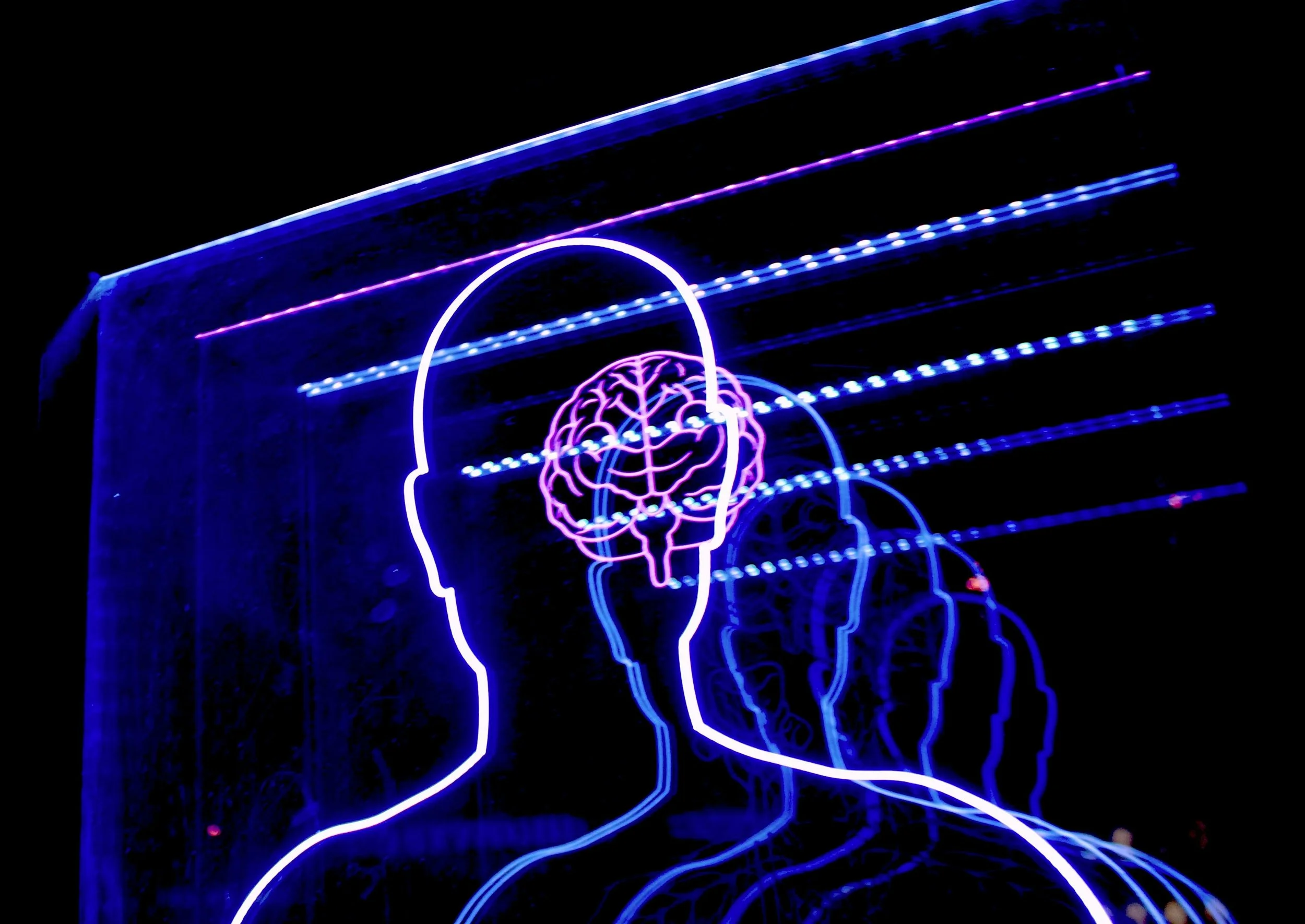
The recent NIS Symposium in Vancouver B.C. was very exciting for me as a NIS practitioner. Dr. Phillips shared his most current research in NIS with us. He has developed new protocols for structural issues from the cervical spine down to the feet. The most amazing research he presented has to do with something called Latent Memory.
Latent memory refers to information or a past experience that is hidden in a non-expressed form, meaning it cannot be directly accessed through standard tests of conscious recall, yet it still influences future behavior, learning, or internal processing. Latent memories are stored in the brain and are silently maintained by temporary changes in synaptic strength. Dr. Phillips has found that these memories cause several problems.

They disrupt immune function making it difficult for the immune system to track hidden viral infections
They disrupt neurological signaling pathways in certain areas of the brain.
There are 4 types of latencies: visual, auditory, pituitary, and prefrontal. Each pattern causes specific neurological and structural issues.
Visual latency affects how you process what you see, by helping to connect to images relating to language, reading and memory. It also interferes with our ability to make sense of the world by what you see and linking it to your memories and spatial awareness. This pattern weakens the left Tensor Fascia Lata muscle which stabilizes the left hip and knee as well as the left lateral hamstring muscle. It also affects stem cell activity in the eyes
Auditory latency affects our ability to process sound, and interferes with our ability to process speech. language and the duration of sounds. It also affects our ability to process melody, pitch and tone as well as the rhythmic patterns of speech and music. It also weakens the abdominal muscles
Pituitary latency interferes with our ability to apply logic to daily tasks and to maintain the balance between the hypothalamus and pituitary. This affects our ability to either increase or decrease our metabolic rate using thyroid stimulating hormone (TSH). It disrupts the HPA (hypothalamic-pituitary-adrenal) axis which controls sleep, anxiety, hormonal production, heart rate and rhythm and more. This pattern also destabilizes the sacro-iliac joints which are critical to spinal balance and alignment.
Prefrontal latency interferes with our ability to process logic, language, positive emotions and emotions having to do with caution, spatial tasks and negative withdrawal behaviors. This affects our ability to recognize dangerous situations and respond appropriately in emergency situations. This pattern weakens the hip flexors (psoas) muscles which causes low back instability.
Dr. Phillips related that these latencies are the cause of health issues that never completely resolve or return after treatment. He says that these latencies “hold us hostage” and affect our ability to maintain homeostasis and well being.
In the short time I’ve been treating these latencies I’m seeing many chronic symptoms begin to resolve. This is a major step forward in NIS, and I’m excited to see where it leads. Many thanks to Dr. Phillips and his ongoing research to improving the health of so many patients.