

Discover the remarkable complexity of the human brain, how it powers your body and mind, and simple ways to support lifelong cognitive wellness.
Your brain is so complex that it defies our comprehension. Theoretical physicist Michio Kaku says “Sitting on your shoulders is the most complicated object in the known universe". Here are some interesting facts about your brain as well as some things you can do to keep your brain healthy. I’m hoping this article will give you a new appreciation for the power and complexity of your brain
Your brain performs 100 billion (100,000,000,0000) functions per second.
Despite these huge numbers, the brain cannot multi-task. The brain is designed as a serial processor rather than a parallel processor. It cannot consciously process two complex, attention-demanding thoughts or tasks at the exact same time. What people call multitasking is actually task switching (or rapid context switching) managed by networks in the prefrontal cortex. The brain rapidly bounces attention back and forth from one thing to another. Every time the brain shifts focus, it pays a cognitive penalty. This causes time loss, mental fatigue, higher error rates, and lower productivity (costing up to 40% of productive time).
Your brain signals at the speed of 217 miles per second. Fast, myelinated fibers (touch, muscle position, and motor control): travel at 80 to 120 m/s (approx. 179 to 268 mph). These axons are wrapped in a fatty insulating layer called myelin, which allows signals to leap quickly from gap to gap
The human brain is approximately 60 % fat, making it the fattiest organ in the human body. Omega-3 fatty acids—specifically DHA—make up a massive share of the brain's lipid content (up to 57% of its total fatty acids). myelin sheath, a fatty white-matter insulation wrapping nerve fibers that allows electrical signals to travel quickly and efficiently. myelin sheath, a fatty white-matter insulation wrapping nerve fibers that allows electrical signals to travel quickly and efficiently. The brain holds about 20% of the body's total cholesterol, which is critical for cell membrane integrity and synapse formation.
Your brain is 75% water. Water helps maintain the brain's shape and supports electrical and chemical signaling. It aids in blood circulation and delivers vital nutrients while clearing waste products. Even mild dehydration—losing as little as 1% to 2% of the body's water—can impair attention, memory, and mood.
Your brain comprises just 2% of your body weight, yet consumes 20% of your body’s energy. The brain uses roughly the same amount of energy whether you are sleeping or engaged in a difficult mental task. Hard thinking or speaking only increases localized energy use by a tiny fraction (up to about 8% in specific regions). The brain runs primarily on glucose and oxygen, converting them into adenosine triphosphate (ATP) via cellular mitochondria. The entire brain operates on a remarkably low power budget of around 20 watts—roughly equivalent to a standard computer monitor sitting in sleep mode. Where does the energy go? 75% goes to signaling: sending, receiving, and processing electrical and chemical signals across neural circuits. 25% to Maintenance: Keeping neurons, glia, and cellular structures alive (such as maintaining ion gradients and resting potentials).
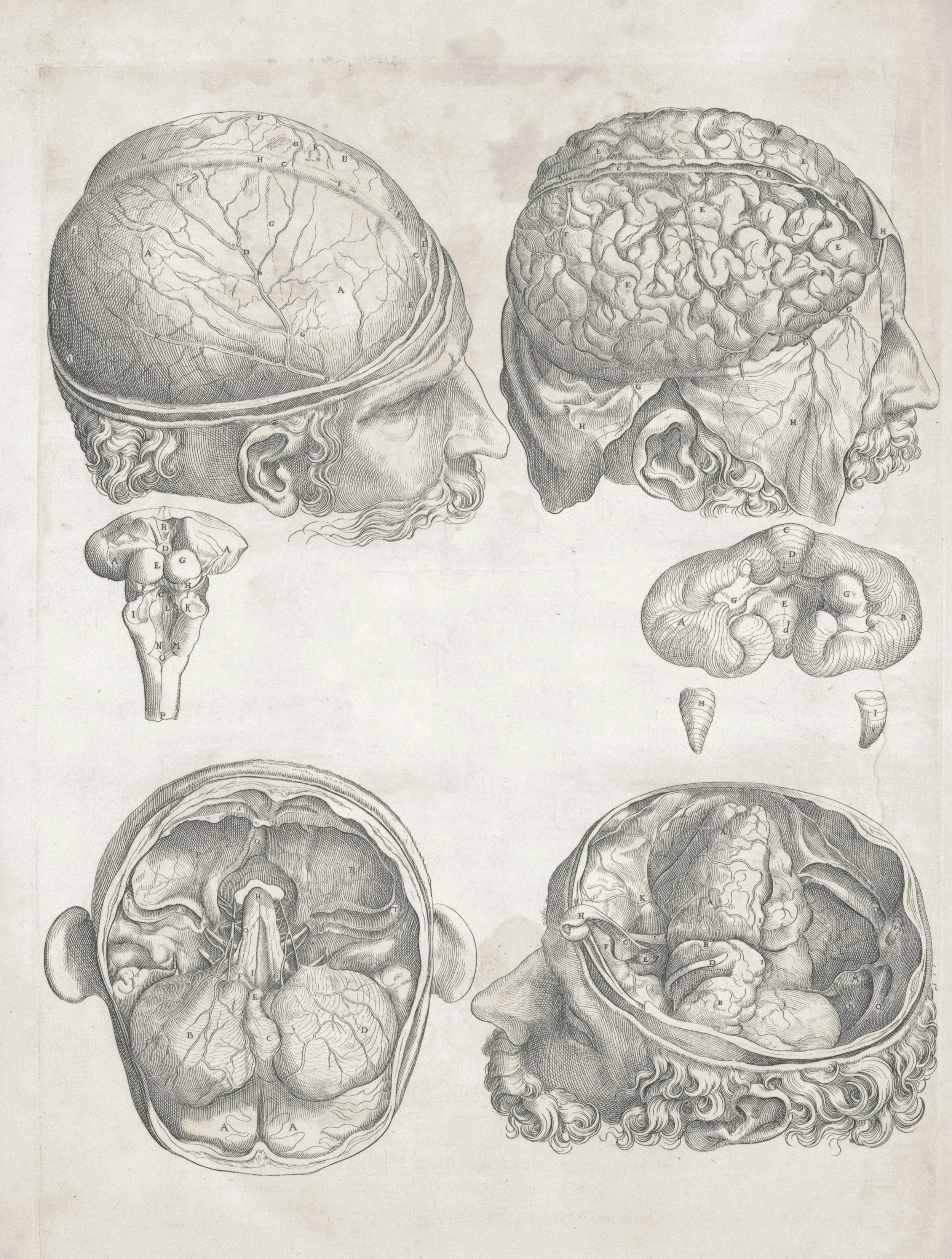
There are several things you can do to keep your brain healthy:
Stay well hydrated with good quality water (reverse osmosis or spring water). Add a small amount of salt or electrolytes to your water.
Consume plenty of essential fatty acids. Essential fatty acids (EFAs) are polyunsaturated fats the body cannot make on it’s own, which means you must get them through your diet. The core essential type is alpha-linolenic acid (ALA), found in plant sources like flaxseeds, chia seeds, walnuts, and hemp seeds. Your body can convert ALA into long-chain omega-3s like EPA (eicosapentaenoic acid). Keep blood pressure, cholesterol, and blood sugar (diabetes) under control to protect the blood vessels that supply your brain. The conversion rate from essential fatty acids to DHA (docosahexaenoic acid), is very low, making direct dietary intake from fatty fish or algal oil valuable. Because omega-3s are less abundant in standard processed foods, you should deliberately include both marine-based and plant-based sources in your diet.
Marine Sources (Active EPA & DHA): Your body uses these long-chain fatty acids directly to support brain, eye, and heart health. Aim for 2-3 servings per week of cold-water oily fish such as salmon, mackerel, sardines, anchovies, trout, and black cod. Wild-caught salmon offers an incredibly favorable omega-3 to omega-6 ratio (around 10:1 in favor of omega-3s) compared to farmed salmon.
You should cut back on industrial, highly refined seed oils that flood your diet with excessive omega-6s such as vegetable, sunflower, and safflower oils. Avoid Crisco and other vegetable based shortening. Use lard instead. Avoid processed foods as they a loades with harmful oils and sugar.
Exercise Regularly: Aim for at least 150 minutes of moderate aerobic exercise (such as brisk walking or swimming) per week or 30 to 45 minutes most days of the week to boost blood flow and encourage new neuron growth. Resistance training has been shown to significantly improve brain function.
Get 7 to 9 hours of sleep nightly to help your brain consolidate memories and clear out toxic metabolic debris like beta-amyloid proteins. Keep your brain active by learning new skills (like a language or instrument), reading, or doing puzzles to build cognitive reserve. Keep blood pressure, cholesterol, and blood sugar (diabetes) under control to protect the blood vessels that supply your brain.
Periodic NIS (Neurological Integration System) treatment should be a cornerstone for maintaining optimal brain health and function. NIS uses the power of the brain to eliminate brain signaling errors, thereby improving brain function. Since the brain regulates all body function, NIS is a crucial way of maitining your health and well-being.