
“Healthwashing” & How The Big Food Industry Hijacks Your Brain
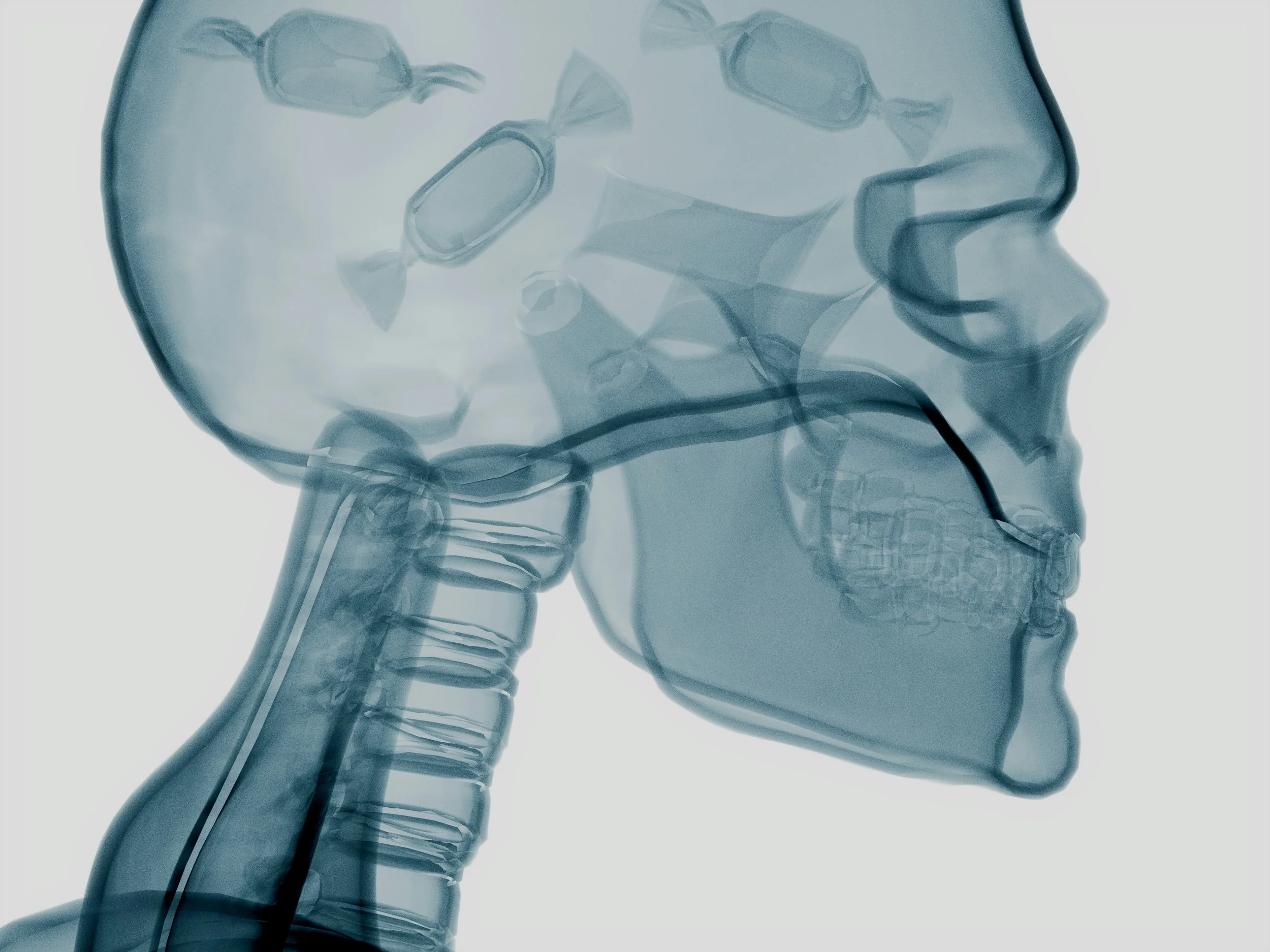
Big Food Companies like Nestle, Pepsico, Unilever, and Kraft-Heinz produce most of the “foods” found on supermarket shelves. Note that I put quotation marks around “food”. That’s because none of these big food companies are actually in the business of growing and producing real food. Instead they manufacture highly processed food-like products. These products are carefully designed to hijack your brain into craving them. Big Food companies understand how to combine ingredients to appeal to your instinctual biological drives.
Let’s look at sugar, which is found in almost all these products (just read the label). Our brains are hard-wired to crave sugar when it’s available. That’s because we evolved in environments where sugar was rare. Fruits and berries were seasonal. If you were lucky you might come across a beehive with honey, but sugar was far from ubiquitous like it is today.
Fat is another primary ingredient in processed food-like products. Again, we evolved in environments where fat wasn’t common. Fat is very energy rich, and like sugar we are hard-wired to crave it. Fatty meat was prized like sugar when available, but again, not as plentiful as it is in processed foods today. The fats used in these processed foods are from highly processed seed oils such as canola, safflower, sunflower, and corn oil. These oils have been shown to have harmful effects on our health. Processed foods often contain trans-fats. Trans fats (or trans-fatty acids) are a type of unsaturated fat known to be the most harmful type of fat for heart health. They raise "bad" (LDL) cholesterol, lower "good" (HDL) cholesterol, and significantly increase the risk of cardiovascular disease, heart attacks, and stroke.
Salt is another common ingredient in processed foods. Once again if we look to evolution we see that salt was not common. Salt was one of the first trade goods, and in some cases was used as money. Most processed foods contain sodium levels that far exceed recommended dietary requirements. High sodium—whether caused by excessive dietary intake or a medical condition (hypernatremia)—forces your body to retain water. This leads to increased fluid volume, elevated blood pressure, and increased stress on the heart, kidneys, and brain.
While big food knows exactly what they are doing with sugar, fat, and salt, they have another biological weapon at their disposal: dopamine. Dopamine is a neurotransmitter produced in the brain. It acts as a chemical messenger that regulates pleasure, motivation, memory, and motor control. It is primarily responsible for motivating behavior, reinforcing habits, and driving us to seek rewards. Drugs like cocaine stimulate dopamine production, which is why those who use it can’t stop. Sugar and fat also stimulate dopamine, but the big food companies have found that certain additives and artificial flavors can also stimulate dopamine. That’s why it’s hard to stop eating these products once you start.
Processed foods have a very high profit margin, so the “food” companies can afford to spend vast amounts of money on advertising them. Think about it; when was the last time you saw carrots or grass fed beef advertised on television? Most of the space in supermarkets are devoted to selling processed foods because of their high profit margins. You should shop the perimeter of your supermarket because this is where the real food is located like fruits and vegetables, meat, and dairy. Avoid the center aisles as much as possible as they primarily contain processed food-like substances.
Food processing began in the early 1900’s with the milling of grains which stripped them of most of their beneficial nutrients. Crisco was officially introduced in the United States in June 1911 by Proctor and Gamble. The name was derived from crystalized cottonseed oil, and is was a trans fat that is still use today. The rise in consumption of processed foods has been accompanied by an increase in heart disease, diabetes, kidney disease, and cancer.

Historic grain milling equipment, representing an era when mills were transitioning from entirely wood-constructed setups to incorporating mass-produced cast iron frames and mechanics.
Big food is very aware of this correlation, yet continues producing this junk despite the known health consequences. Food and beverage manufacturers primarily fight to protect profit margins, market dominance, and their operational freedom from government regulations and changing consumer habits. Food companies use a marketing phenomenon known as "healthwashing" to manipulate packaging, psychology, and specific buzzwords to make ultra-processed foods appear nutritious. By creating a “health halo”, they attempt to distract consumers from the high levels of sodium, sugar, and unhealthy fats.
One of my favorite authors, Micheal Pollan, has written several books about food arguing that we would be much healthier if we ate real food and avoided processed food. He feels that most consumers don’t even realize what real food is anymore. His book “Food Rules” is a great guide to understang the difference between real food and highly process food-like substances. Here is a sampling of his “Food Rules:
Don’t eat anything your great grandmother wouln’t recognize as food.
Avoid food products that contain high fructose corn syrup.
Avoid food products containing ingredients that a thrid grader cannot read.
Avoid food products that make health claims.
Avoid foods you see advertised on television.
It’s not food if it arrived through the window of your car.
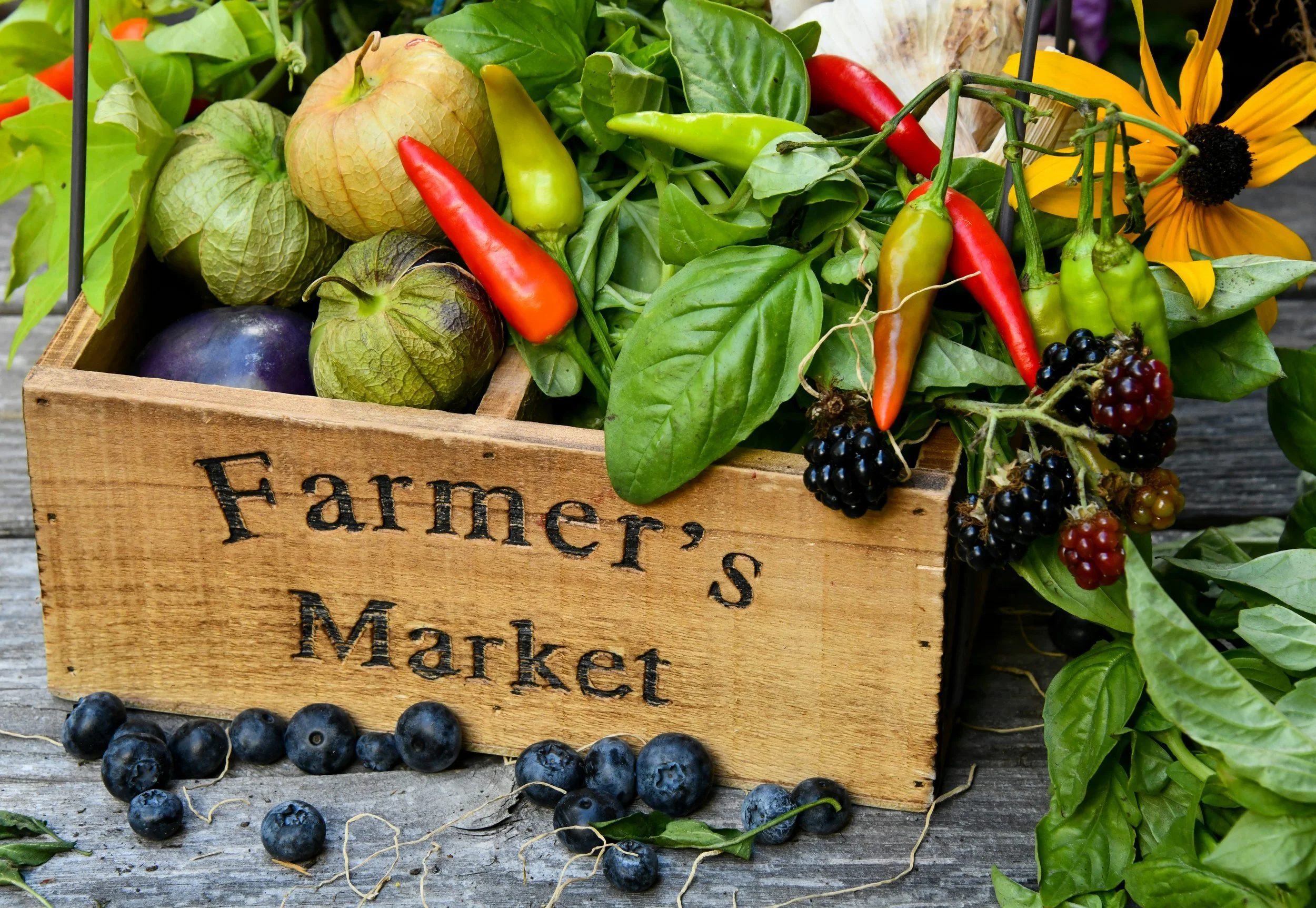
Actually you might be better off avoiding supermarkets as much as possible. Most towns now have farmer’s markets where you can buy organically grown vegetables and grass fed meat. Vote with your dollars. Spending your money on locally grown food is not only good for you, it also supports a move away from processed junk. Big food cannot continue ruining our health without your support. For a deeper dive into how processed foods impact our health, read my article “Evolutionary Mismatch:Understanding Our Biological Heritage For Better Health”
Change how you eat to change your life.
If you'd like to take your food connection a step further, don't stop at simply changing what you eat or where you buy it. Consider how you connect with your food through the timeless acts of cooking, sharing meals, and appreciating the journey from soil to table. Preparing food with your own hands reconnects us with traditions, cultures, and the people who nourish us. One documentary that beautifully explores this idea is Cooked, based on the work of food journalist Michael Pollan. Through the four elements—Fire, Water, Air, and Earth—Pollan reminds us that cooking is far more than a means of preparing calories; it is one of the defining practices that has shaped human health, culture, and community. If you haven't seen it, it's well worth watching. (Trailer below.)